Healthy ageing
Together, let’s ensure older people get the assistive technology they need.
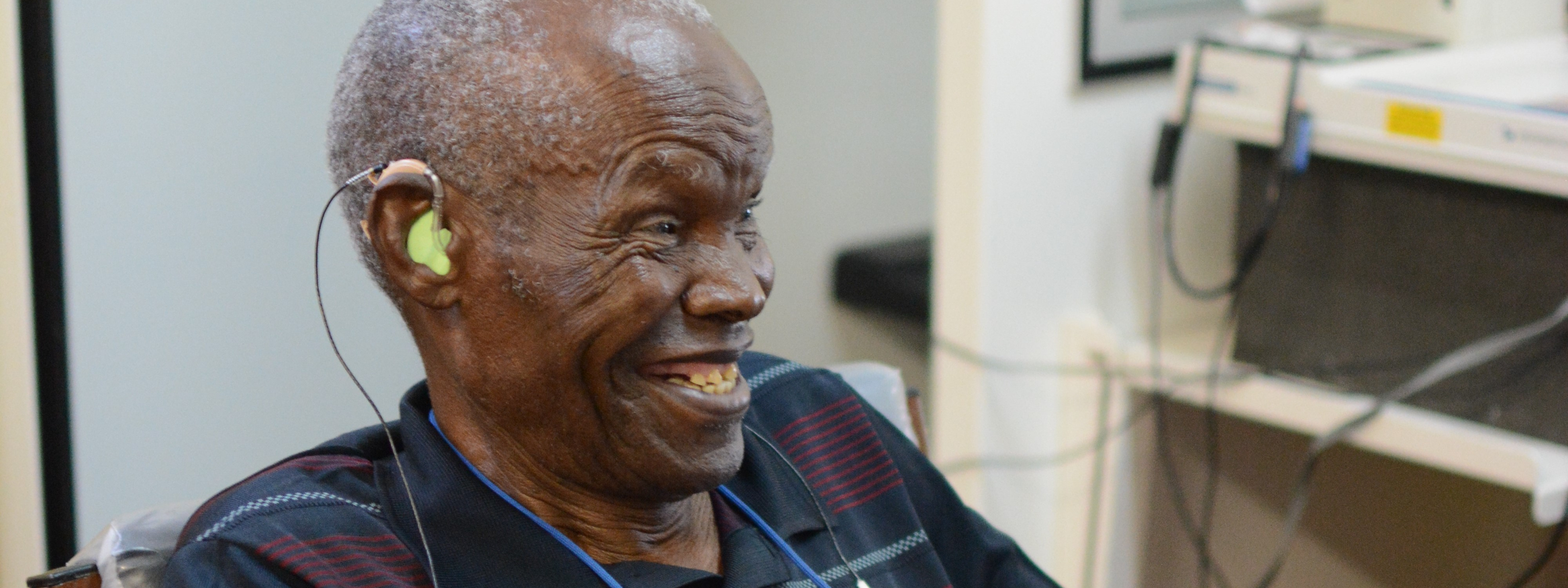
©DeafKidz International
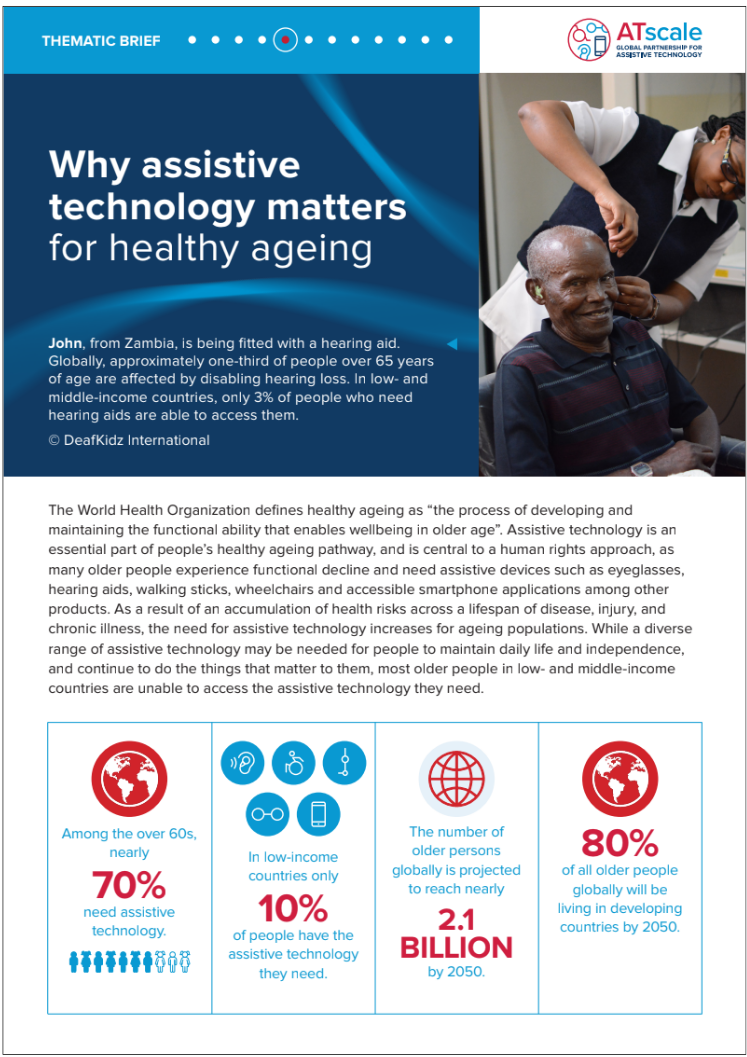
The World Health Organization defines healthy ageing as “the process of developing and maintaining the functional ability that enables wellbeing in older age”. Assistive technology is an essential part of people’s healthy ageing pathway, and is central to a human rights approach, as many older people experience functional decline and need assistive devices such as eyeglasses, hearing aids, walking sticks, wheelchairs and accessible smartphone applications among other products.
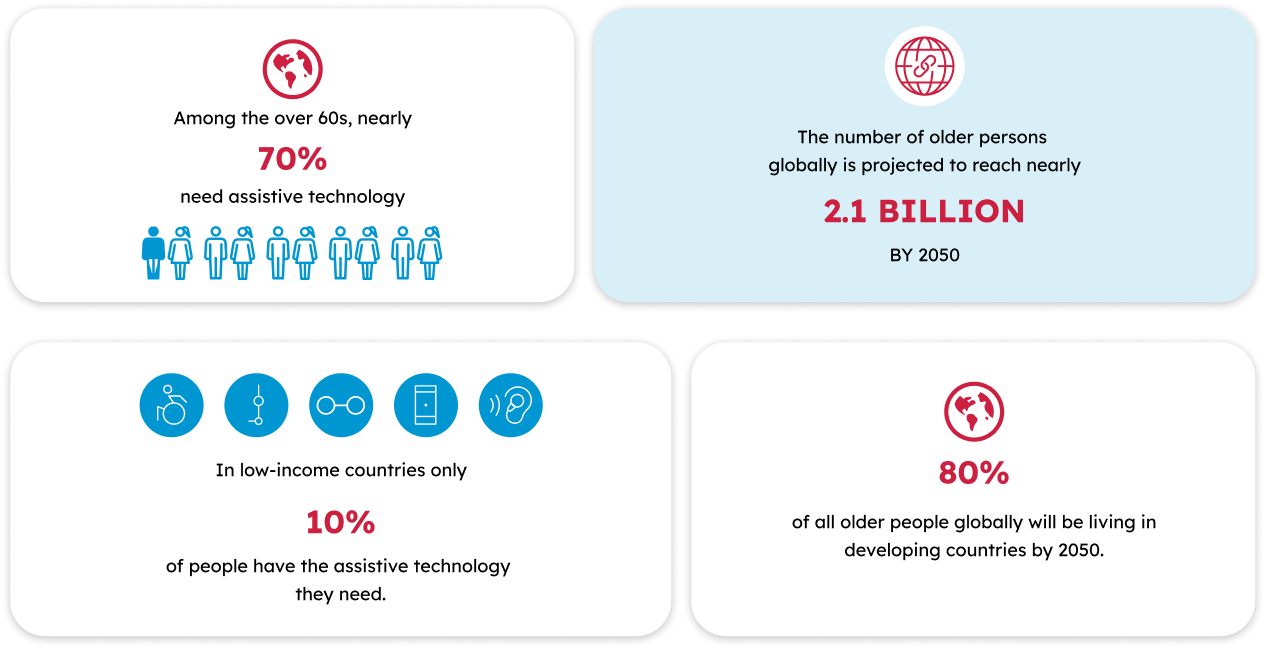
As a result of an accumulation of health risks across a lifespan of disease, injury, and chronic illness, the need for assistive technology increases for ageing populations. While a diverse range of assistive technology may be needed for people to maintain daily life and independence, and continue to do the things that matter to them, most older people in low- and middle-income countries are unable to access the assistive technology they need.
Why assistive technology matters for healthy ageing
 | Promotes healthy and dignified ageing — empowers older people to live fuller, more independent lives. |
|
 | Supports participation — enables older people to keep contributing to their families, communities, and societies. | |
 | Reduces inequality — addresses barriers faced by older women and persons with disabilities in accessing assistive technology. |
Inclusion is key to realize the Sustainable Development Goals (SDGs) and leave no one behind. There will not be full inclusion while people are unable to access assistive technology. Assistive technology cuts across all 17 SDGs and is particularly relevant to some.