Bringing assistive technology services to everyone, everywhere
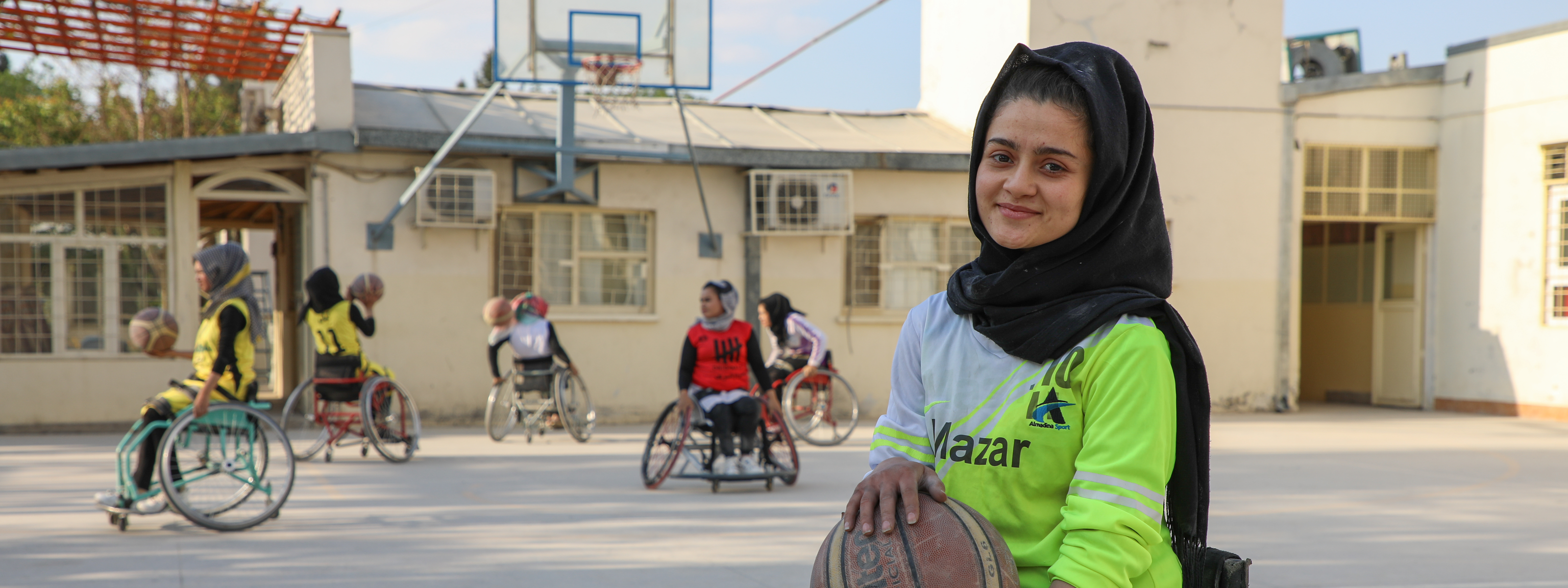
©UNICEF/UN0445941/Karimi
Countries need practical guidance to design inclusive, effective service-delivery systems. ATscale supports the development of tools, models and standards that help integrate access to assistive technology throughout the life course.
Goal: Scalable, people-centered service-delivery models adapted to different contexts.
Interventions
Identifying needs and testing solutions for people with hearing loss in low-and middle-income countries
This intervention focused on the use of pre-programmed hearing aids for individuals with hearing loss in low- and middle-income countries.
Handbook on vision screening and end-to-end provision of eyeglasses
ATscale collaborated with WHO to develop a handbook offering technical guidance for the development and implementation of early-vision screening and comprehensive eye care, with a focus on correcti

Assistive technology national policy, strategy, planning (NPSP) costing tool
The Assistive Product Provision (APP) Costing Tool calculates costs for a five-year projection of start-up costs and incremental costs per person for assistive product provision packages.
Global guidance on approaches to integrated vision and hearing screening
The guidance will support countries to deliver joint vision and hearing screening for school-aged children.

Development of lower extremity amputation dataset (LEAD) and a list of outcome measures for prosthetic and amputation services (COMPASS)
The lack of standardized data to demonstrate impact has hindered support for rehabilitation services for people with lower-limb absence.
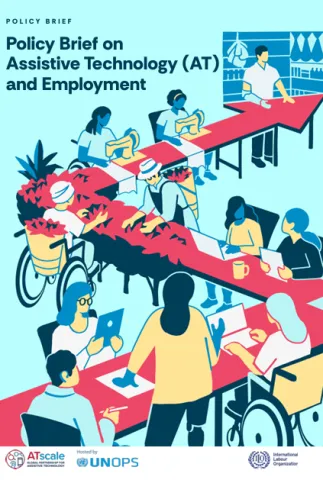
Positioning assistive technology in the global development agenda - climate action, employment, women and girls, and education
To elevate assistive technology in global development discussions, ATscale is working with key United Nations agencies to develop four comprehensive policy briefs.